Resources
Recyclability Assessment Methodology
How it works, why it matters for packaging design, and what you need to stay compliant.
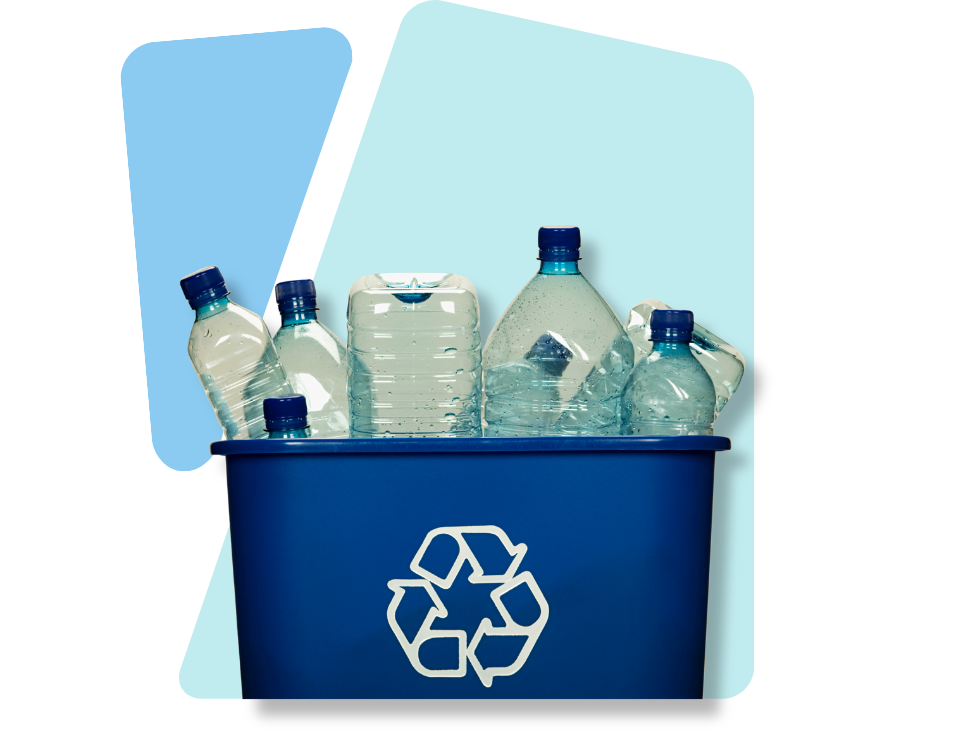
What even is RAM?
The Recyclability Assessment Methodology (RAM) is a standardised way to check how easily your packaging can actually be recycled in the real world. It breaks recyclability into simple, practical stages.
Collection
Is the material widely collected?
Sortation
Can Materials Recovery Facilities (MRFs) sort it correctly?
Reprocessing
Can recyclers process it at scale?
Application
Is there a real market for the recycled output?
If packaging fails at any of these stages, it isn't considered fully recyclable under RAM.

How does RAM fit into EPR?
RAM is the engine behind EPR's fee system. It determines how recyclable your packaging is, and therefore how much you pay.
- 🟢 Highly recyclable packaging → lower EPR fees
- 🟠 Limited recyclability → medium fees
- 🔴 Non-recyclable materials → higher fees
RAM gives the government a consistent, evidence-based way to apply fee modulation and encourage better packaging design.
Learn more about EPRHow it works
What you need to do to get a defensible RAM outcome.
Understand your packaging
Break your packaging into components and materials, and identify what each part is made from.
Check each RAM stage
Assess whether each component passes Collection, Sortation, Reprocessing and Application.
Apply the RAG outcome
Each component will be Green, Amber or Red. This determines your EPR obligations and fees.
Design out the reds
Use comparison data to find changes that move components up a rating without breaking the pack.
How Reath can help
Reath helps you understand and improve your packaging's recyclability without spreadsheets or guesswork.
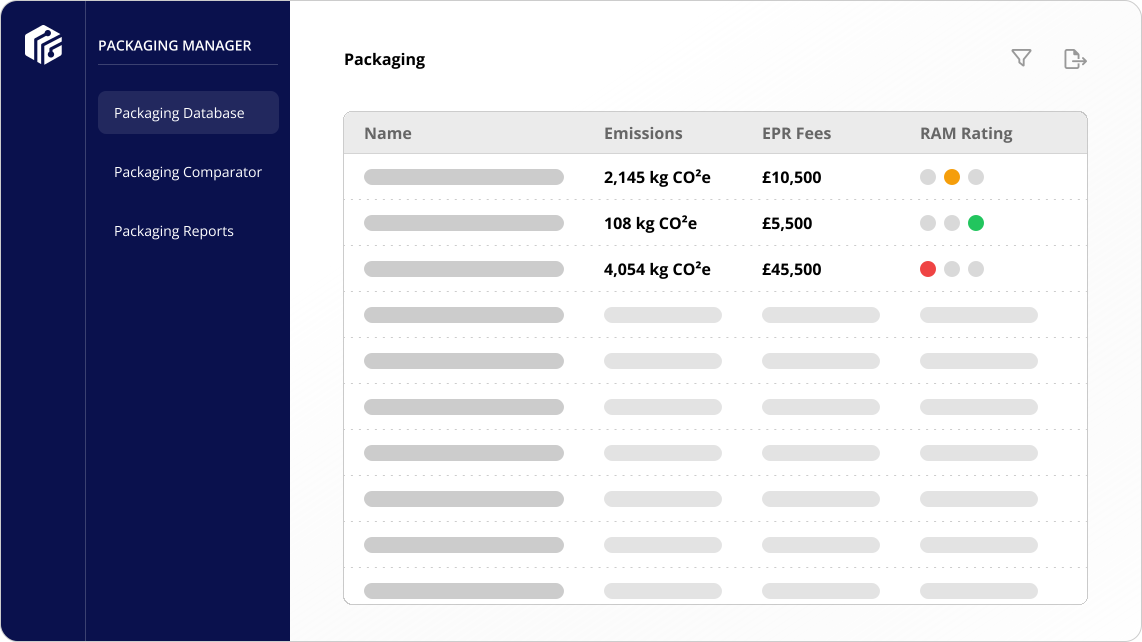
RAM scoring
Our packaging database analyses each component and automatically applies RAM logic — no spreadsheets, no guesswork.
Explore Packaging Manager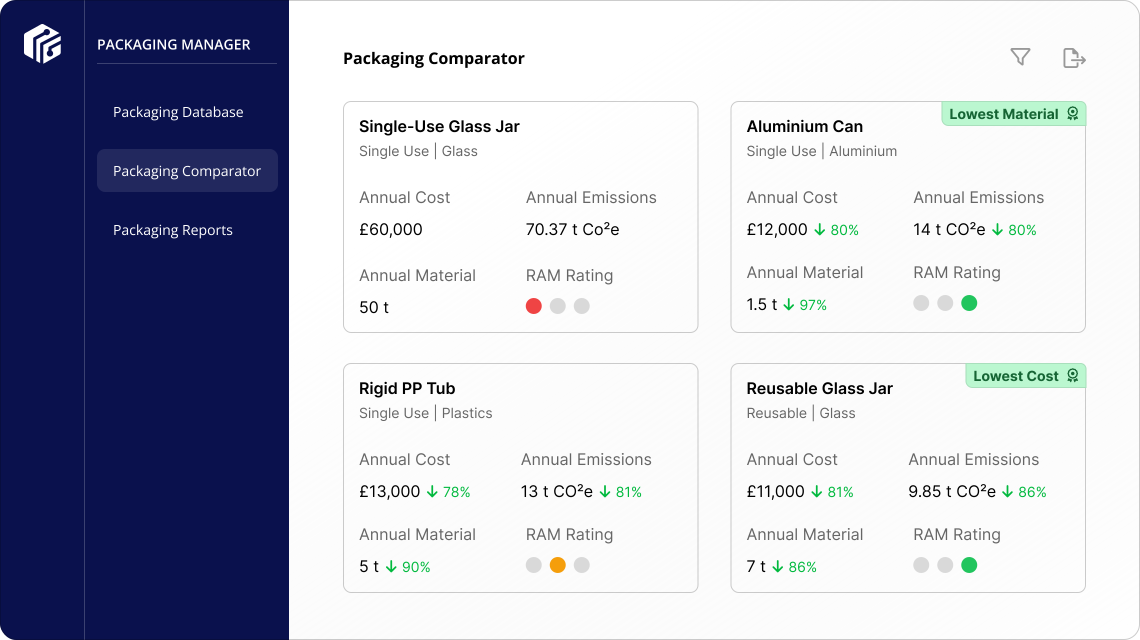
Compare RAM scores
Compare RAM outcomes across formats so you can innovate with confidence and choose options that perform better in real recycling systems.
Compare RAM ratings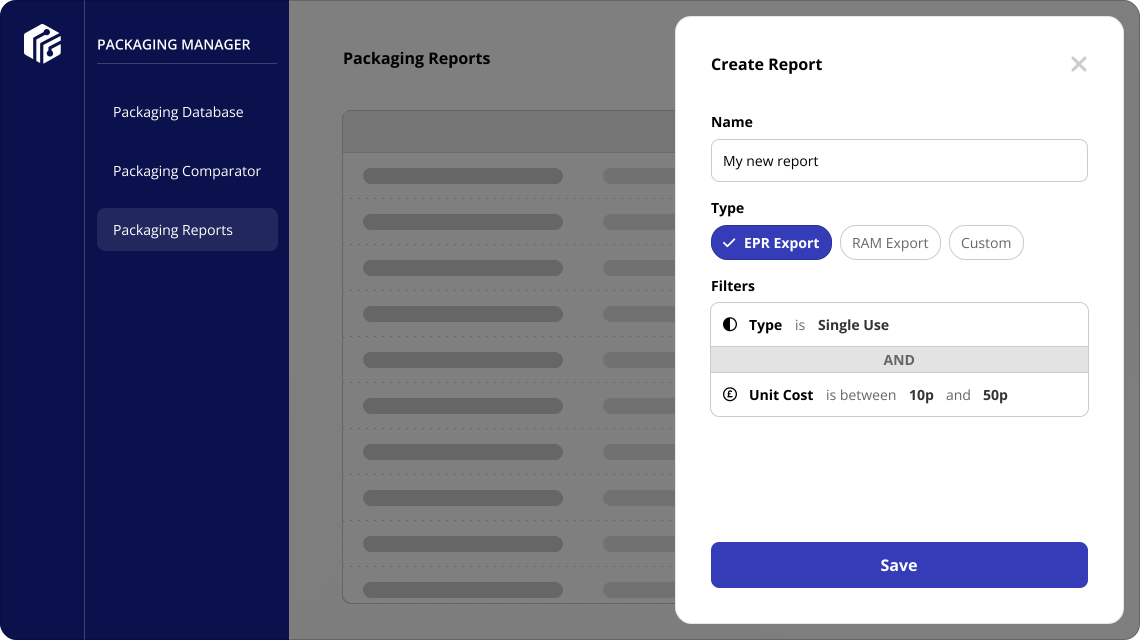
Regulator-ready reports
Export clean, consistent evidence you can use for compliance and internal decision-making.
View reporting toolsRAM FAQs
The questions we hear most often about RAM, answered.
Get accurate RAM ratings for every SKU
Book a demo and see how Reath scores a pack from its component list.
Last updated: 29 September 2026